Case study > Mobile > Development of a Mobile App for Vital Signs Monitoring for Body Watch

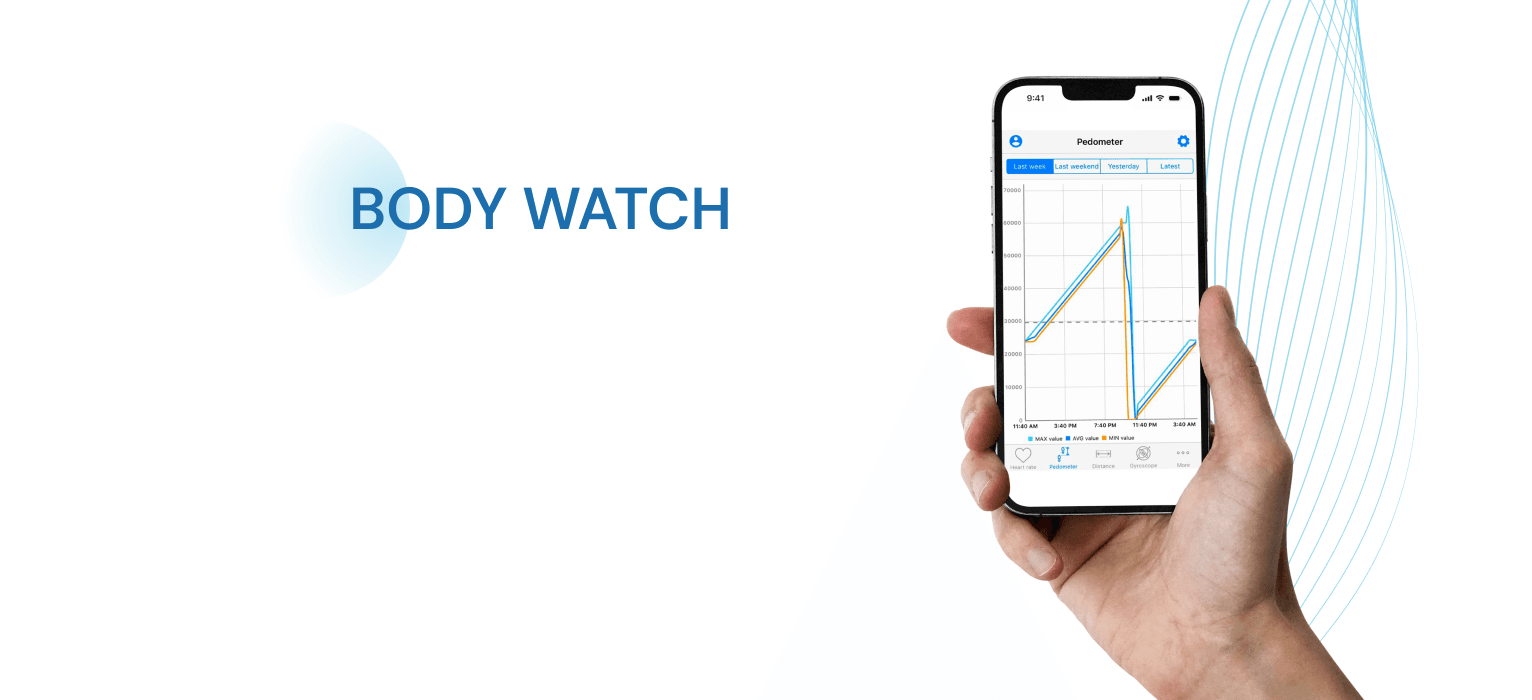
Edge One Solutions supported the development of Body Watch, a mobile application integrated with Microsoft Band. The solution enables users to monitor more than 10 vital parameters in real time, analyze measurement history, visualize trends, and export data collected from the wearable device.
The project included developing a mobile solution connecting wearable device data with an intuitive user interface, allowing users to track health indicators, review collected measurements, and gain insights from personalized health-related information.
The goal of the project was to develop a solution that enables continuous monitoring of health-related and biometric data, such as heart rate, steps, skin temperature, and galvanic skin response. The application had to present this data in real time in a way that was clear and useful for the user.
Another important challenge was providing access to measurement history. Users needed to be able not only to check current data, but also to return to previous measurements, analyze sessions, and export information in a text format or to an external system.
The project also required stable communication with the wearable device via Bluetooth. In applications of this type, connection quality directly affects user experience — data should be collected and presented without unnecessary interruptions, delays, or ambiguity.
An additional area was working with sensitive user data. The application had to allow users to manage their measurements in a way that was understandable, safe, and aligned with good UX practices, without overwhelming them with technical complexity.
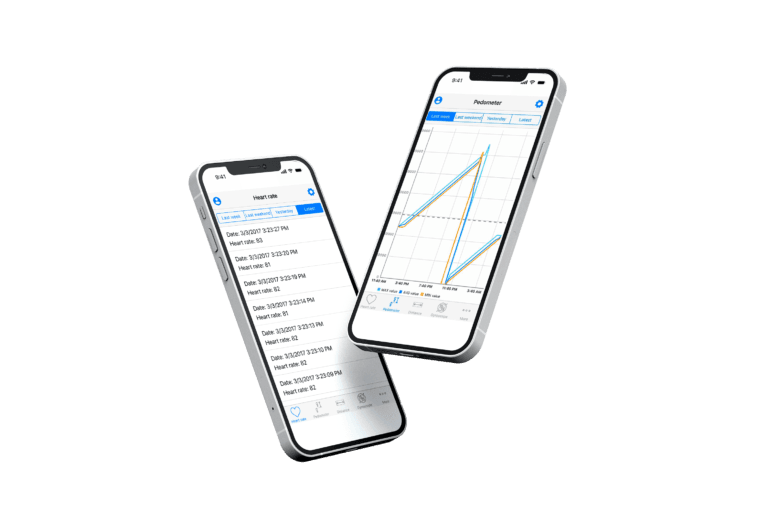
Edge One Solutions supported the development of a mobile application combining wearable communication, biometric data collection, result presentation, and measurement history.
The scope of work included:
• development of a lightweight Android mobile application,
• integration with Microsoft Band,
• communication via Bluetooth Low Energy,
• monitoring of more than 10 vital parameters,
• real-time data presentation,
• development of a user dashboard,
• organization of data by weeks, days, and measurement sessions,
• detailed screens for selected parameters,
• data visualization using charts,
• presentation of minimum, maximum, and average values,
• measurement history available to the user,
• implementation of data export,
• manual and automatic data collection modes,
• option to clear measurement data.
The development team created a lightweight and functional mobile application that allows users to track data from Microsoft Band in real time. The application was designed so that users could quickly check the most important body parameters and analyze them through a simple, readable interface.
A central element of the solution was the user dashboard. Data was organized by weeks, days, and measurement sessions, making it easier to analyze changes over time and return to earlier results.
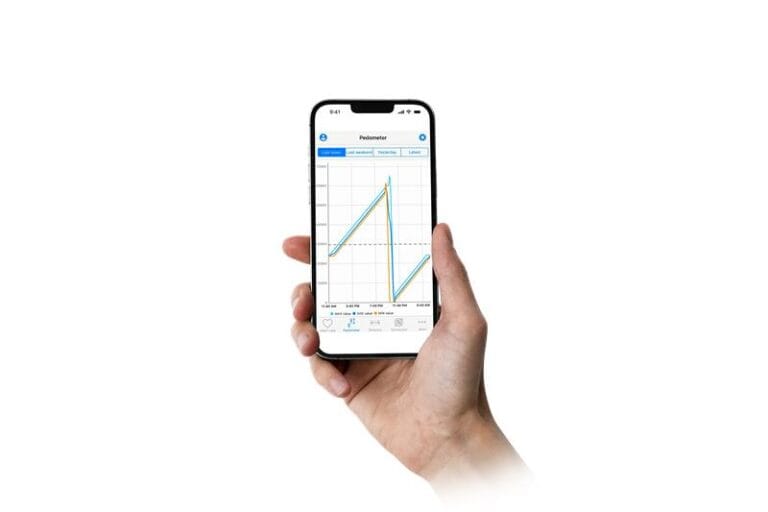
The application includes detailed screens for parameters such as heart rate, UV exposure, skin temperature, calories, ambient light, GSR, altimeter, accelerometer, and contact sensors. Data is presented through charts as well as minimum, maximum, and average values.
The solution also enables users to export measurement data in text format or to an external system. Users can work in manual or automatic data collection mode and clear measurement data when needed.
Mobile applications integrated with wearable devices need to combine several capabilities: stable device communication, reliable data collection, clear information presentation, and intuitive user experience. When biometric parameters are involved, users expect not only access to data, but also the ability to understand it.
The Body Watch project shows how a mobile application can turn wearable device data into a practical interface for observing the body. A dashboard, measurement history, charts, and data export increase the usability of the solution because they allow users to analyze not only single readings, but also changes in parameters over time.
For healthtech, medtech, sports, and wellness companies, similar solutions can become the foundation for products supporting activity monitoring, fitness analysis, sensor data processing, and connected-device-based services.