Case study > Insurance > Development of a Telemedicine Appointment Management System for PZU

Edge One Solutions supported PZU by providing IT specialists responsible for developing a system supporting the scheduling and management of telemedicine appointments.
The scope of support included expanding the system configuration, standardizing customer communication, handling various appointment cancellation scenarios, identifying alternative service delivery locations, and preparing new API interfaces and documentation supporting further integration of the solution.
PZU was developing a system supporting telemedicine appointment management. One of the main challenges was expanding appointment scheduling capabilities beyond existing geographical limitations, which restricted more flexible patient and customer service across different locations.
Another important area was customer communication. The system had to provide clear, consistent, and situation-specific information about appointment status, especially in cases of cancellation or changes in service conditions. Different scenarios required different messages, so a more flexible communication template mechanism was needed.
An additional challenge was handling appointments delivered by subcontractors. In such cases, the system needed to clearly indicate the service location so that customers received accurate information about where the appointment would take place and how the process would be handled.
Edge One Solutions supported the development of the system in areas related to process configuration, customer communication, telemedicine appointment handling, integrations, and technical documentation.
The scope of work included:
• expansion of system configuration for telemedicine services,
• extension of appointment scheduling beyond geographical limitations,
• implementation of flexible communication templates,
• adjustment of messages to different appointment cancellation scenarios,
• development of the process for appointments delivered by subcontractors,
• enabling the indication of alternative service locations,
• preparation of new APIs,
• development of documentation supporting further system integrations,
• backend component development using Java and Spring,
• support for the frontend layer using Angular.
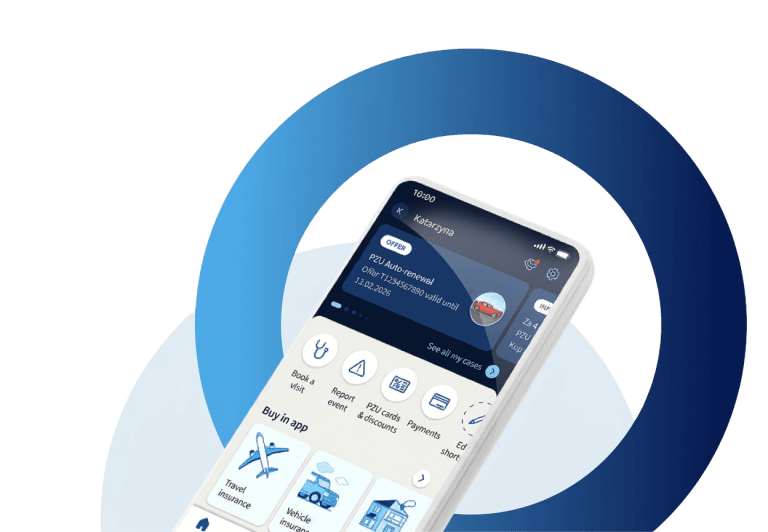
In response to PZU’s needs, the system configuration was expanded with functionalities enabling broader telemedicine service handling. This allowed the system to better support appointment scheduling and more complex operational scenarios.
An important part of the solution was the implementation of flexible communication templates. They made it possible to adjust notification content to different appointment cancellation cases and other status changes. As a result, messages sent to customers could be more precise, understandable, and relevant to the specific situation.
The appointment scheduling process was also extended with the ability to indicate an alternative service location. This was particularly important for appointments handled by subcontractors, where accurate information about the place of service directly affects the quality of customer experience.
The solution was complemented with new APIs and technical documentation supporting further system integration and development in subsequent stages.
IDigital healthcare service management is becoming an important part of the offering of insurance and financial organizations. Customers expect simple appointment scheduling, clear communication, accurate notifications, and the ability to use services across different locations and channels.
In telemedicine systems, process accuracy, data consistency, partner integrations, and clear communication are especially important. Even minor inconsistencies in information about appointment status, cancellation, or service location can affect customer experience and increase the workload of service teams.
Projects like this show that developing systems for the insurance and healthcare sector requires a combination of stable architecture, well-designed processes, API integrations, and flexible customer communication configuration.